


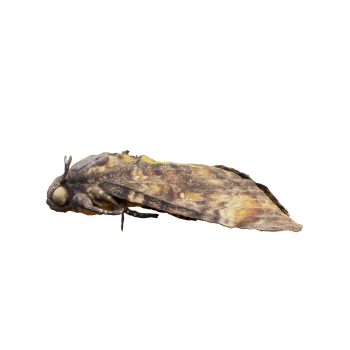
Dead Head Hawk Moth Specimen
is a large nocturnal moth known for its distinctive skull-like markings on the back of its chest. Widely distributed in parts of Africa, Europe and Asia. The body color varies from dark brown to yellow, but the most prominent feature is the skull-like pattern on its chest. The adults feed on the nectar of a variety of plants and sometimes enter the hive to steal honey. The larvae feed mainly on the alkaloid-containing plant leaves. It is active between dusk and midnight, is phototropic, and has a variable and unpredictable flight pattern. Male moths emit high-frequency squeals during courtship, a defense mechanism created by inhaling and expelling air.

Specimen of moth (brown spotted variant)
is a black variety of the spotted moth, known for its adaptive changes during the Industrial Revolution. Originally, this moth was white in color with black spots and was suitable for perching on unspoiled trees. However, with the advancement of industrialization, environmental pollution has caused the trunk to turn black, and the original white moth has become conspicuous in this environment, thus being threatened by predators. In the 19th century, as pollution increased, the number of carbon-colored varieties increased rapidly, especially in industrial areas. The phenomenon, dubbed "industrial blackening," has become a classic case of natural selection showing how species adapt to survive changes in their environment.

Specimen of moth (Carbophora)
is a black variety of the spotted moth, known for its adaptive changes during the Industrial Revolution. Originally, this moth was white in color with black spots and was suitable for perching on unspoiled trees. However, with the advancement of industrialization, environmental pollution has caused the trunk to turn black, and the original white moth has become conspicuous in this environment, thus being threatened by predators. In the 19th century, as pollution increased, the number of carbon-colored varieties increased rapidly, especially in industrial areas. The phenomenon, dubbed "industrial blackening," has become a classic case of natural selection showing how species adapt to survive changes in their environment.
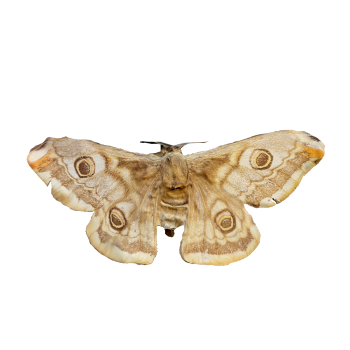
Monarch Moth Specimen
Also known as Sapium silkworm moth, is a huge moth, is one of the largest moths in the world. It is mainly found in the tropical and subtropical rainforests of Southeast Asia. The color of the wings is auburn, with a unique snake-head pattern, and the two black round spots at the tip of the wings are like snake eyes. This mimicry may be used to defend against natural enemies. It is nocturnal and feeds on the leaves of trees, especially the tallow tree, hence its name. The larval period will be spent in a cocoon with an extremely narrow opening, and the wings must be spread through the narrow cocoon hole, which helps their wings become bloodshot and ready for flight. Adulthood has a short lifespan, does not feed, and mainly mates and lays eggs.
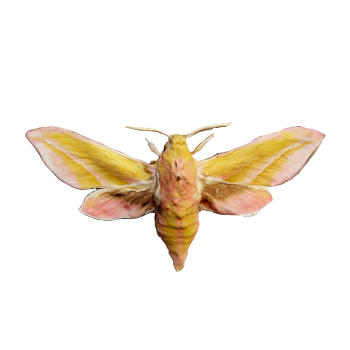
Elephant hawk moth specimen
It is a very common moth in Europe, known for its unique appearance and behavior, and is known as the "four unlike" of the insect kingdom. It has a very beautiful appearance, with soft golden and magenta scales covering its wings and body, resembling a futuristic jet plane. The larval stage usually appears dark, sometimes bright green, and is said to resemble the trunk of an elephant, but is more often compared to pet feces. It is a nocturnal creature that feeds on nectar, has a keen sense of smell and color vision, and can find flowers in the dark. Belonging to the family of hawk moths, it is known for its fast wing flapping and acrobatic flight.

Leopard moth specimen
Also known as garden tiger moth, it is a widely distributed moth species in Europe and Asia, also found in North America. It is named "caterpillar" because of its bright orange and black markings on the adults and the long, dense black and ginger yellow hair covering the larvae. Active during the summer months of July to August, especially in shrub covered sand dunes, forest edges, wetland grasslands, parks, and gardens. Larvae mainly feed on nettles, soursop, and other garden plants, which provide a rich source of food. Adults feed on nectar and fly at night, possessing a protective coloration to warn predators of their unpleasant taste. It can also generate harsh sounds by rubbing its wings to resist natural enemies

Popular Models
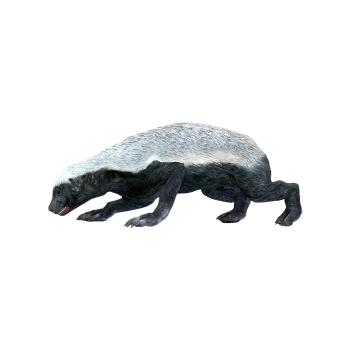
Honey Badger (3D animated model)
194 View
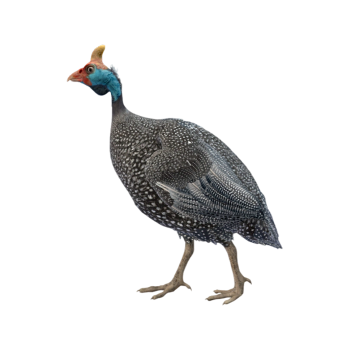
Guinea fowl (3D animated model)
165 View
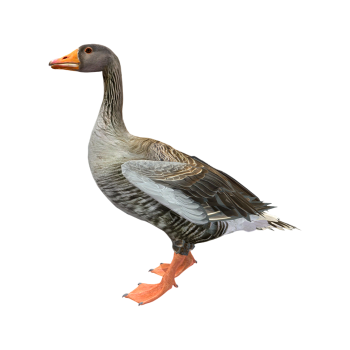
Wild Goose (3D animated model)
187 View
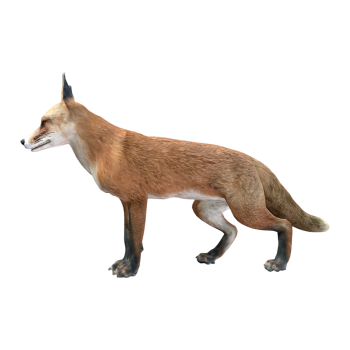
Red Fox (3D animated model)
155 View
Random Model

lifeboat
873 View




Aston Martin F1 AMR23 Racing
745 View

Samsung Galaxy Fit smart bracelet
1102 View

Iceland Go ð afoss Waterfall
956 View

MotoBuzz V twin motorcycle
971 View

Simple Style White Fabric Table Lamp
499 View

Sour Orange
933 View